

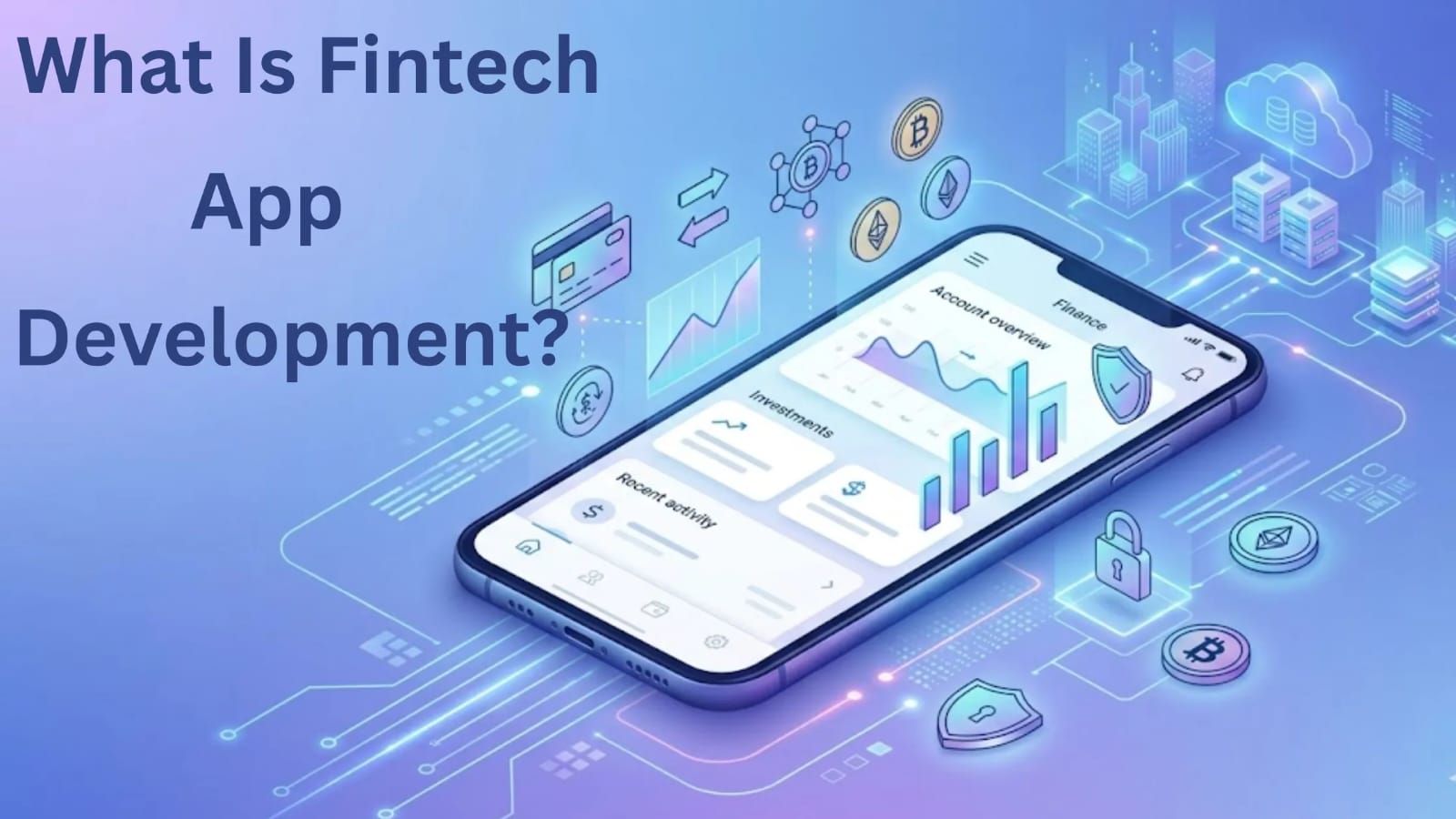
Fintech, which stands for financial technology, has changed the way people handle their money, conduct payments, make investments, and obtain banking services. Through its mobile wallet and digital banking platform solutions, fintech applications create a new financial system by delivering financial services which users can access and use with greater speed and security.
Businesses across the globe are investing heavily in fintech solutions because digital financial services are increasing in demand. Many organizations establish partnerships with a fintech app development company to create secure platforms that provide users with smooth financial experiences. The financial system of today depends on fintech app development because digital transaction volumes keep increasing.
This guide will examine the definition of fintech app development, its operational process, and its essential characteristics, together with the different types of fintech applications and their significance to the future financial landscape.
Understanding Fintech App Development
The fintech app development process refers to creating mobile or web applications that deliver financial services through digital platforms. Users of these applications can execute financial operations that include sending money, paying bills, investing in stocks, applying for loans, and tracking their financial activities.
Fintech applications use contemporary technologies, which include cloud computing, artificial intelligence, blockchain, and APIs, to provide financial services that traditional banking systems cannot match because those systems depend on their physical branches.
Fintech applications focus on improving user convenience while maintaining strict security standards to protect sensitive financial data.
Why Fintech Apps Are Growing Rapidly
The rise of smartphones, internet accessibility, and digital payments has significantly accelerated the growth of fintech apps.
Key Reasons Behind the Growth
- Increased Demand for Digital Payments
People now choose digital wallet systems and online payment methods instead of cash transactions.
- Faster Financial Services
Fintech applications provide users with immediate access to financial services without requiring them to complete lengthy bank procedures and document their transactions.
- Improved Accessibility
Mobile devices allow users to access financial services at any time from any location.
- Innovation in Financial Technology
Financial technologies now provide better security through artificial intelligence and blockchain technology.
The modern financial services industry depends on fintech platforms, which have become essential.
Types of Fintech Applications
The fintech sector encompasses various financial applications that provide solutions to different financial requirements.
Digital Banking Apps
Digital banking applications enable users to conduct banking operations, which eliminates the need for physical branch visits. The applications offer services through the following features, which include:
- Checking account balances
- Transferring funds
- Paying bills
- Managing financial transactions
In their digital transformation strategy, most traditional banks now offer a mobile banking app to their clients.
Payment and Money Transfer Apps
Payment apps allow users to send and receive money instantly.
Popular features include:
- Peer-to-peer transfers
- QR code payments
- International remittances
- Merchant payment integration
These apps simplify transactions for both individuals and businesses.
Investment and Trading Apps
Investment applications facilitate the trading of cryptocurrencies directly from a phone.
Common features include:
- Real-time market tracking
- Portfolio management
- automated investment recommendations
- trading tools and analytics
These apps have made investing more accessible to everyday users.
Personal Finance Management Apps
The personal finance applications enable users to improve their money management skills through the application of income and expense tracking and savings goal monitoring.
Features may include:
- Budget planning tools
- spending analytics
- bill reminders
- savings tracking
The apps assist users in developing better financial practices.
Lending and Loan Apps
These mobile platforms let users apply for loans, which enables instant credit access through loan applications.
Key features include:
- quick loan applications
- automated credit scoring
- fast approval processes
- flexible repayment options
These platforms enable consumers and small businesses to borrow money more easily than before.
Key Features of Fintech Apps
The successful operation of fintech applications depends on their ability to deliver strong platform capabilities while maintaining high security standards and providing an intuitive user interface.
1. Secure Authentication
Fintech applications employ modern security measures through their implementation of advanced authentication techniques:
- biometric verification (fingerprint or facial recognition)
- two-factor authentication
- encrypted login systems
The system protects all confidential financial data through its dedicated security features.
2. Real-Time Transactions
Users expect instant transactions when transferring money or making payments. Fintech applications use advanced payment gateways together with application programming interfaces to achieve fast transaction processing.
3. Data Encryption
The fintech industry puts security above all other aspects of its development work. Financial data protection against cyber threats is achieved through end-to-end encryption.
4. User-Friendly Interface
Financial applications maintain user accessibility through their clean design, which provides an intuitive interface to all users regardless of their technical expertise.
5. Integration With Banking Systems
Fintech applications establish connections to traditional banking systems through secure API integration, which allows users to connect their bank accounts, cards, and other financial services.
Technologies Used in Fintech App Development
Modern fintech applications use multiple advanced technological systems for their operations.
Artificial Intelligence
AI systems conduct financial data analysis and fraud detection while delivering customized financial information to users.
Blockchain
The blockchain technology enables financial transactions to achieve both transparent operations and secure transaction processing.
Cloud Computing
Fintech applications use cloud platforms to achieve better scalability while managing high transaction volumes.
Big Data Analytics
Financial platforms implement data analytics technology to track spending patterns and identify potential risks while delivering personalized financial solutions.
Fintech App Development Process
The process of building a fintech application requires multiple essential development phases.
1. Market Research and Planning
The process starts with identifying the target audience, understanding user requirements, and conducting competitor analysis.
2. UI/UX Design
Designers develop interfaces that allow users to perform financial transactions through simple and intuitive methods.
3. App Development
Developers create the essential features of the application while they connect application programming interfaces and establish security measures.
4. Testing and Quality Assurance
The application undergoes extensive testing to verify its proper operation and security compliance with standards.
5. Deployment and Maintenance
Developers track system performance after launch to identify and resolve software issues while they distribute updates that enhance system capabilities.
Security Challenges in Fintech App Development
The security requirements for fintech applications exist because they manage confidential financial information.
Data Privacy
Data Privacy: The protection of user data must be maintained through safeguards against unauthorized access.
Fraud Prevention
The implementation of advanced fraud detection systems enables organizations to block any suspicious transactions.
Regulatory Compliance
Regulatory Compliance Financial regulations, together with data protection laws, require fintech applications to comply with these regulations across different regions.
User trust maintains operational security because strong security measures protect financial transactions.
Benefits of Fintech Apps for Businesses
Businesses that invest in fintech solutions gain several advantages.
Expanded Customer Reach
Digital platforms enable companies to reach customers throughout the world.
Lower Operational Costs
Lower Operational Costs: Automated processes reduce the need for physical infrastructure.
Faster Transactions
Real-time payments improve customer experience.
Better Data Insights
Businesses can use analytics tools to analyze how customers behave and track their financial patterns. The hyperlink points to a specific webpage that contains detailed information about the project.
The Future of Fintech App Development
Fintech is expected to continue evolving as new technologies emerge. Some future trends include:
- AI-powered financial advisors
- decentralized finance platforms
- bimetric authentication for payments
- advanced fraud detection systems
- integration with wearable devices
The upcoming technological advancements will improve financial services through their ability to deliver better security and usability, and better access to financial services.
Conclusion
Fintech applications have transformed financial service delivery in the digital age through their innovative development methods. The combination of contemporary technology with intuitive application design enables users and businesses to handle their financial activities, which include money management, payment processing, investment activities, and financial service access in a more effective way than they have ever achieved.
Digital finance will experience more growth, which will result in increased importance for fintech platforms as they influence the worldwide financial system. Organizations that invest in fintech solutions today will establish themselves as leaders in the digital finance revolution because they create advanced financial experiences that operate with greater efficiency and improved security for users across the globe.

Helping you stay informed, updated, and ahead in tech.